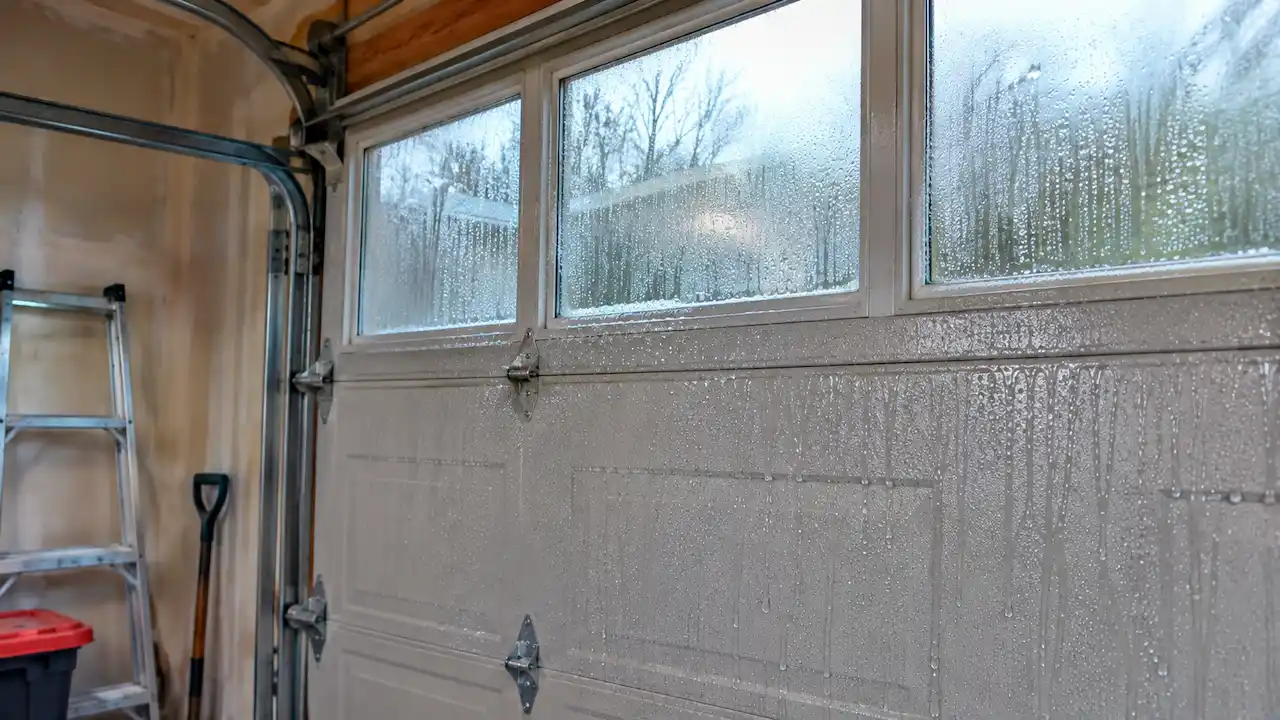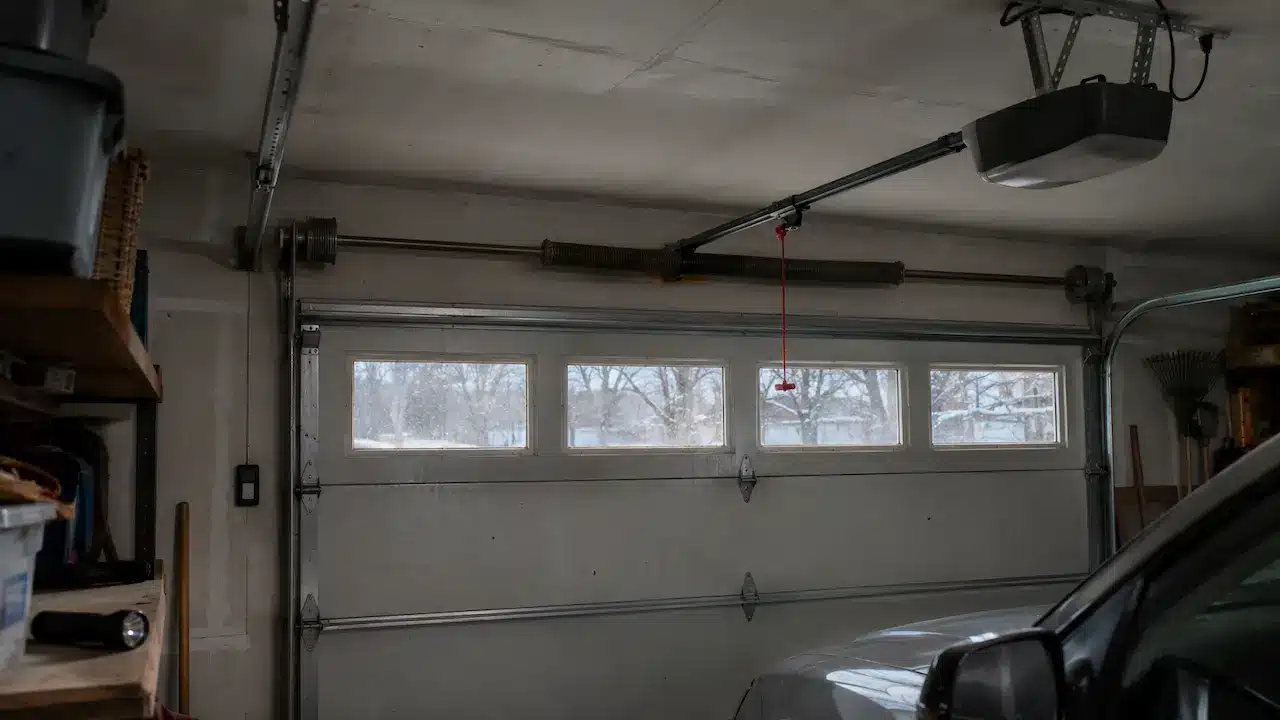
Condensation happens when warm, moist air contacts a cold surface. Your garage door is that surface. The exterior metal panel gets cold from the outdoor temperature, and when humid air inside the garage touches it, water forms.
Temperature Swings
Saint Paul winters are brutal. When outdoor temps drop to 10°F or lower and your garage sits at 35-45°F, the door itself becomes a condensation magnet. Even unheated garages are warmer than the outside air, especially if attached to your home.
Indoor Humidity Sources
Moisture doesn’t just appear. Common sources include:
- Wet cars bringing in snow and slush
- Washing machines or utility sinks in the garage
- Poor sealing between the garage and heated living space
- Breathing, sweating, or running space heaters
Lack of Ventilation
Garages sealed tight to keep cold air out also trap moisture inside. With nowhere for humid air to escape, it settles on the coldest surface available your door.
Why Condensation Matters for Your Garage Door
A little moisture isn’t a crisis, but repeated condensation cycles cause real damage over time.
Rust and Corrosion
Steel garage doors are especially vulnerable. Water sitting on metal leads to rust spots, which spread and weaken structural integrity. If you’ve already got rust developing from moisture exposure, condensation will make it worse fast.
Wood Warping and Rot
Wood doors soak up moisture. Repeated condensation causes swelling, warping, and eventually rot. Once wood warps, the door won’t seal properly, creating more ventilation problems and higher energy costs.
Paint and Finish Damage
Water beading on painted or powder-coated doors eventually breaks down the finish. Peeling paint exposes bare metal or wood, accelerating decay.
How to Reduce Garage Door Condensation
You can’t eliminate physics, but you can manage conditions to reduce moisture buildup significantly.
Improve Ventilation
Crack a window or install passive vents near the roofline. Even a small opening lets humid air escape before it condenses. In winter, balance ventilation with heat loss you don’t need a wind tunnel, just airflow.
Control Indoor Humidity
Wipe down wet vehicles before parking them. Don’t hang damp laundry in the garage. If you run a dehumidifier in summer, consider using one in winter too when condensation is worst.
Add or Upgrade Insulation
Insulated garage doors reduce the temperature difference between the door’s interior surface and the garage air. This means less condensation. If you’re dealing with frequent moisture issues, upgrading to an insulated garage door might be worth the investment.
Check Weatherstripping and Seals
Damaged weatherstripping lets cold air seep in along the edges, creating localized cold spots where condensation forms. Replace cracked or missing seals to maintain even temperatures across the door surface.
When to Call a Professional in Saint Paul
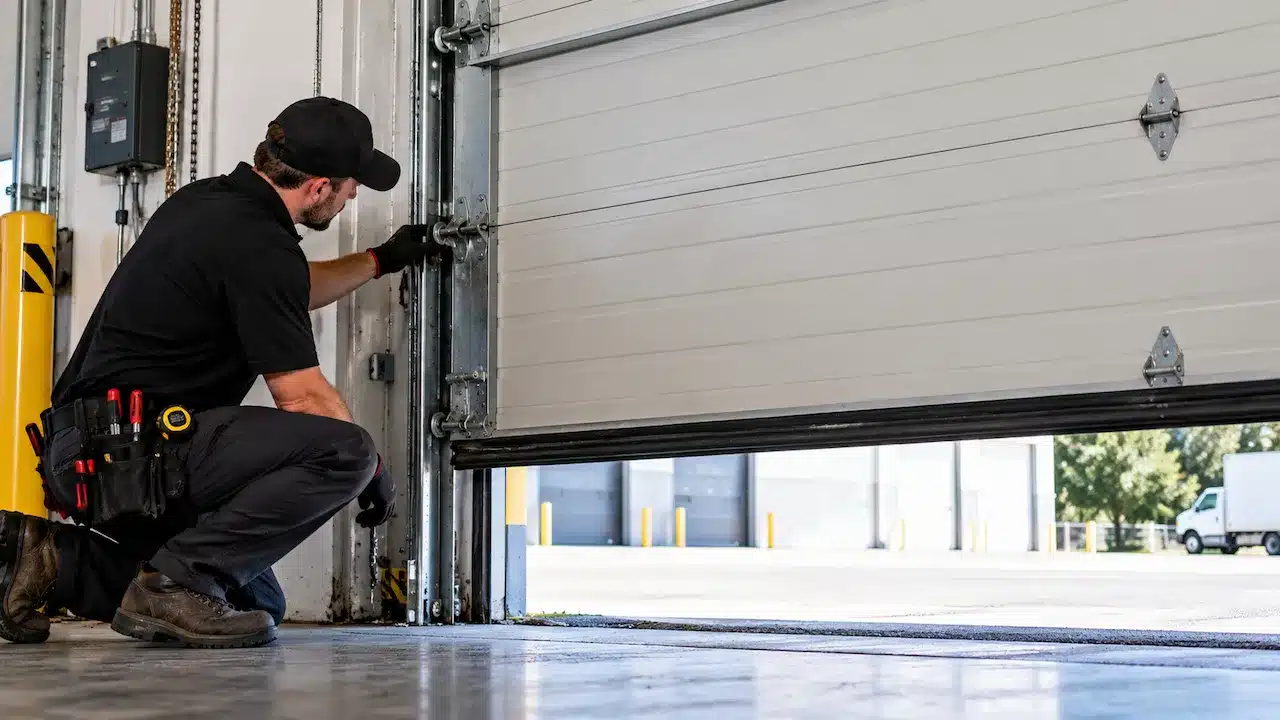
If condensation is causing visible rust, warping, or finish damage, it’s time to get a professional inspection. We can assess whether the door needs repair, better insulation, or replacement.
If your garage door is already heavily rusted or the wood has rotted through, no amount of ventilation will fix it. At that point, replacement is the smarter move. Also, if you’ve tried ventilation and dehumidifying but condensation persists, there may be a structural issue poor insulation in walls, air leaks from the house, or drainage problems.
Frequently Asked Questions
Is condensation worse on steel or wood garage doors?
Steel doors show condensation more visibly because metal conducts temperature faster, but wood doors suffer more damage. Steel rusts; wood rots. Both need attention, just different kinds.
Will heating my garage stop condensation?
Not necessarily. Heating raises indoor humidity, which can make condensation worse if you don’t also improve ventilation. Balance is key warmth without moisture buildup.
Can I wipe condensation off my garage door?
Yes, and you should when you see it. Use a dry cloth to remove standing water, especially from metal doors. It won’t solve the root cause, but it prevents immediate rust formation.
Does condensation mean my garage door is failing?
No. Condensation is an environmental issue, not a door defect. It means conditions inside and outside your garage are creating moisture. The door itself may be perfectly fine.
Will a dehumidifier help in winter?
It can, especially if your garage stays above freezing. Dehumidifiers work best when temps are above 40°F. Below that, ventilation is usually more effective.
Ready to Fix Moisture Problems with Your Saint Paul Garage Door?
If condensation is damaging your garage door or you’re not sure whether rust and warping are fixable, we can help. Benjamin Garage Door Repair offers free estimates, licensed professionals, and a satisfaction guarantee on all work. We’ll assess the damage, explain your options, and get your door back in shape.
Call (615) 805-0772 or visit Benjamin Garage Door Repair to book your appointment.