
A garage door making loud noise is one of the most common problems homeowners face, often requiring professional garage door services. Many people ignore the sound at first, thinking it is normal. But unusual sounds from a garage door usually mean something is wrong. Your garage door is made of many moving parts. When one part is not working correctly, the entire system can become noisy.
If you hear strange sounds when opening or closing your garage door, it is important to pay attention. A noisy garage door can be a sign of worn parts, lack of maintenance, or mechanical failure. Understanding the reason behind the noise can help you decide whether a simple fix is needed or professional garage door repair is required.
In this guide, we will explain what different garage door noises mean, what causes them, and how to fix them safely.
Garage Door Makes Loud Noise When Opening or Closing
Many homeowners notice that the garage door is quiet at first but suddenly becomes loud when moving. If your garage door makes loud noise when opening, the issue may be related to the rollers, tracks, or opener motor. These parts work hardest when the door is lifting.
When the garage door makes loud noise when closing, the problem can be caused by worn springs or poor alignment. Closing puts pressure on different parts of the system. That is why the sound can change depending on the direction of movement.
A noisy garage door that gets louder over time should never be ignored. The longer you wait, the more damage can happen. Small problems often turn into expensive repairs when left untreated.
Loud Garage Door Opener Problems
Sometimes the noise does not come from the door itself. It comes from the opener system. A loud garage door opener can be very annoying, especially in homes with attached garages.
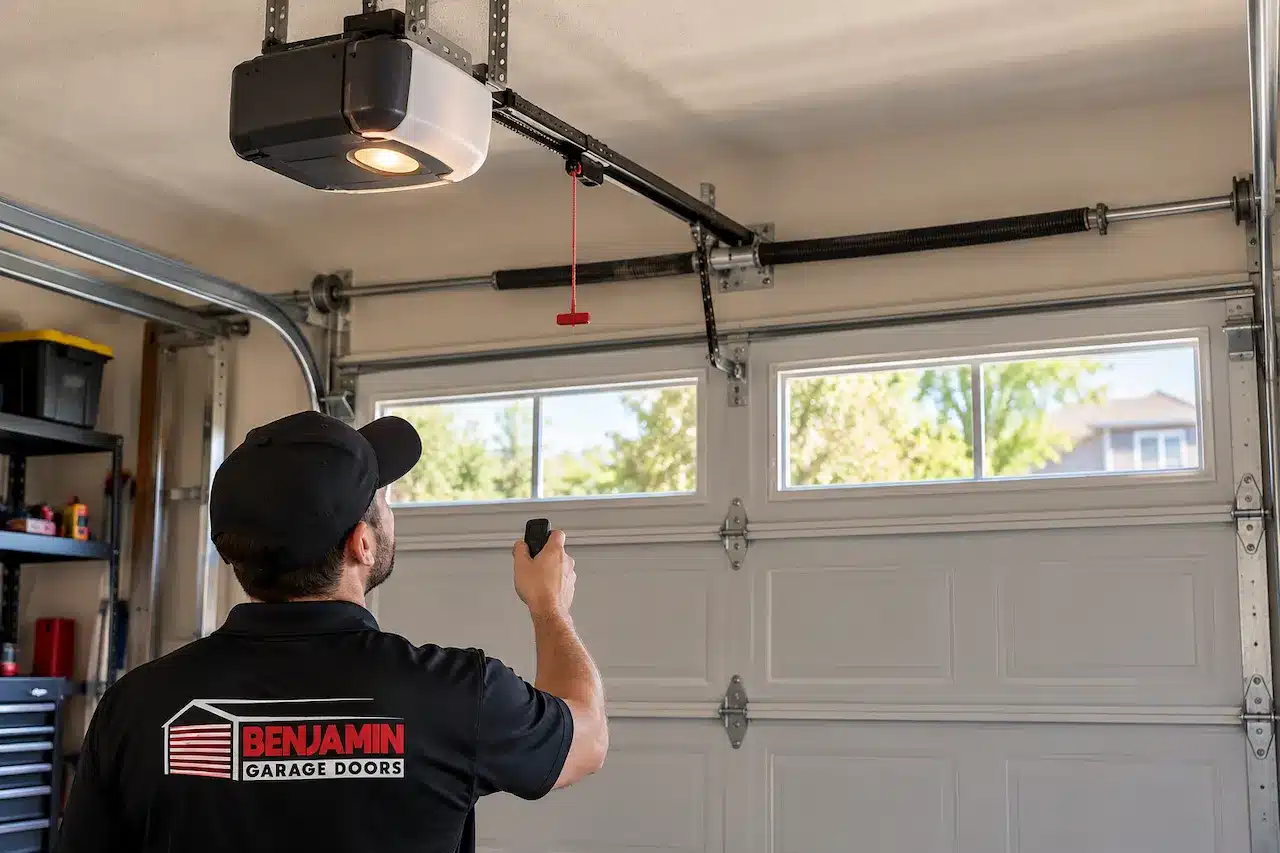
The opener motor works hard every time you use the door. If the motor is old or worn, it may begin to make grinding or humming noises. Chain drive openers are usually louder than belt drive openers. If you hear a garage door opener making loud grinding noise, internal gears may be failing.
Loose mounting hardware on the opener can also create loud vibration. In some cases, the opener is simply outdated and needs replacement.
Top Mechanical Reasons Behind a Noisy Garage Door
A garage door system has many moving pieces. Any of them can create noise when they are damaged or worn. Here are the most common mechanical causes.
Worn Garage Door Rollers
Garage door rollers help the door move smoothly along the tracks. Over time, rollers can wear out or break. When this happens, they create grinding and rattling noises. Old metal rollers are especially loud compared to modern nylon rollers.
Damaged Garage Door Tracks
Bent or misaligned garage door tracks can cause serious noise problems. When the door moves through a damaged track, it struggles and makes banging or scraping sounds. Even small dents in the track can create big noise issues.
Weak or Broken Garage Door Springs
Garage door springs carry most of the weight of the door. If a spring is weak or damaged, the door becomes unbalanced. This can cause popping and banging noises. A broken spring is a serious safety issue and should be repaired immediately.
Loose Garage Door Hardware
Bolts, nuts, and brackets can become loose over time. When hardware is not tight, the door vibrates while moving. This vibration creates rattling and shaking sounds.
Friction in Hinges and Cables
Garage door hinges and cables need to move smoothly. When they become worn or dry, they produce squeaking and screeching sounds. Regular care is needed to keep these parts working quietly.
Common Types of Noisy Garage Door Problems
Not all garage door noises are the same. Each type of sound points to a different issue. Learning to recognize these sounds can help you understand the problem faster.
Common garage door noises include:
- garage door making grinding noise
- garage door making squeaking noise
- garage door making banging noise
- garage door making rattling noise
- garage door making screeching noise
A grinding noise often means metal parts are rubbing together. A squeaking noise usually points to dry or worn parts. Banging sounds can mean loose hardware. Rattling can happen when bolts or tracks are loose. Screeching is often caused by worn rollers or poor lubrication.
If your garage door makes any of these sounds, it is trying to tell you something is wrong.
How to Fix a Garage Door Making Loud Noise
There are several steps you can take to reduce noise and improve garage door performance. Some fixes are simple, while others require professional help.
Basic ways to fix noisy garage door issues:
- apply proper garage door lubrication to rollers, hinges, and springs
- tighten loose bolts and brackets
- clean and align garage door tracks
- replace worn garage door rollers
- perform regular garage door maintenance
Lubrication is one of the easiest and most effective solutions. Many garage doors become loud simply because they are dry. Using the correct lubricant on moving parts can reduce noise immediately.
Tightening loose hardware can also make a big difference. Over time, normal use causes parts to loosen. A quick inspection can solve many rattling problems.
However, if parts are damaged or worn out, they must be replaced. Fixing the real cause of the noise is always better than ignoring it.
Why Is My Garage Door Suddenly Making Loud Noise?
If your garage door was quiet yesterday but loud today, something has changed. A garage door suddenly making loud noise usually means a part has failed or shifted out of place.

Common sudden problems include broken springs, cracked rollers, bent tracks, or snapped cables. Extreme weather can also affect garage door parts. Cold temperatures cause metal to contract, which can increase noise.
Many homeowners ask, why is my garage door so loud all of a sudden? The answer is almost always mechanical wear or lack of care. When parts reach the end of their life, noise is often the first warning sign.
When Garage Door Noise Becomes a Serious Warning
Not every noise is harmless. Some sounds mean your garage door is unsafe to use. Loud popping or banging can signal serious spring problems. Grinding noises may mean the opener gears are failing.
If you notice strong vibration, shaking, or jerking movement, the garage door balance may be off. An unbalanced door puts stress on every part of the system. This can lead to major failures if not corrected.
Ignoring these warning signs can result in complete garage door breakdown. In extreme cases, parts can snap and cause injury. That is why it is important to take unusual noises seriously.
DIY Fixes vs Professional Repair for Noisy Garage Doors
Many homeowners want to know how to stop garage door from making noise without calling a technician. Some problems can be solved with simple care. Cleaning the tracks and adding lubricant are safe tasks for most people.
A basic noisy garage door fix can include tightening visible hardware and checking for obvious damage. These small steps often improve performance.
However, not all repairs are safe to attempt alone. Springs, cables, and openers operate under high tension. Trying to fix these parts without training can be dangerous. For complex issues, professional garage door noise repair is the safest choice.
Knowing the difference between simple maintenance and serious repair is very important.
How Much Does It Cost to Fix a Noisy Garage Door?
The noisy garage door repair cost depends on what is causing the problem. Small issues like lubrication or tightening hardware are inexpensive. Replacing rollers or hinges usually costs a moderate amount.
More serious repairs cost more. Spring replacement, opener repair, or track realignment require professional tools and experience. These repairs are not budget friendly when ignored for too long.
Most homeowners can find an affordable garage door noise fix if they act early. Regular maintenance prevents expensive breakdowns. Waiting until parts fail completely almost always increases the repair bill.
When to Call an Expert for Garage Door Noise Repair
There are times when calling a professional is the smartest decision. If the door is very loud, moves unevenly, or struggles to open, expert help is needed. Trained technicians know the best way to fix noisy garage door problems safely.
Professionals can quickly identify the top reasons garage doors make noise and fix them correctly. They have the right tools to adjust springs, align tracks, and replace damaged parts.
If you hear grinding, popping, or banging sounds, do not take risks. Seeking expert garage door noise repair ensures your door works smoothly and quietly again.
Preventing Future Garage Door Noise
The best way to avoid noise problems is regular care. Simple routine maintenance keeps all parts working as they should. Inspect your garage door a few times each year. Listen for new sounds and watch for rough movement.
Clean the tracks, lubricate moving parts, and tighten loose hardware. These small actions go a long way toward preventing future issues. A well cared for garage door stays quiet and lasts much longer.
Conclusion
A noisy garage door is an early warning that something needs attention. Addressing unusual sounds quickly through inspection and proper maintenance helps prevent safety risks and costly repairs. Simple care can reduce noise, but mechanical issues should be handled by professionals. Early action protects your door, your home, and your peace of mind.
Why Choose Us
We provide fast, safe, and reliable solutions to restore smooth and quiet garage door operation.
- Experienced and trained garage door technicians
- Quick response for noisy garage door issues
- Honest, transparent, and budget-friendly pricing
- High-quality parts with safe repair methods
- Local service focused on customer satisfaction
Frequently Asked Questions
Why is my garage door suddenly making loud noise?
Sudden noise usually indicates worn rollers, loose hardware, spring issues, or opener problems that need inspection.
Can basic maintenance fix a noisy garage door?
Lubrication, tightening bolts, and cleaning tracks may help, but persistent noise requires professional repair.
Is it safe to use a noisy garage door?
Some noises signal serious mechanical problems that can be dangerous if ignored.
How much does noisy garage door repair cost?
Costs vary by issue, but early repairs are usually affordable compared to major replacements.
When should I call a professional?
Call a professional if the noise is loud, the door moves unevenly, or maintenance does not solve the issue.