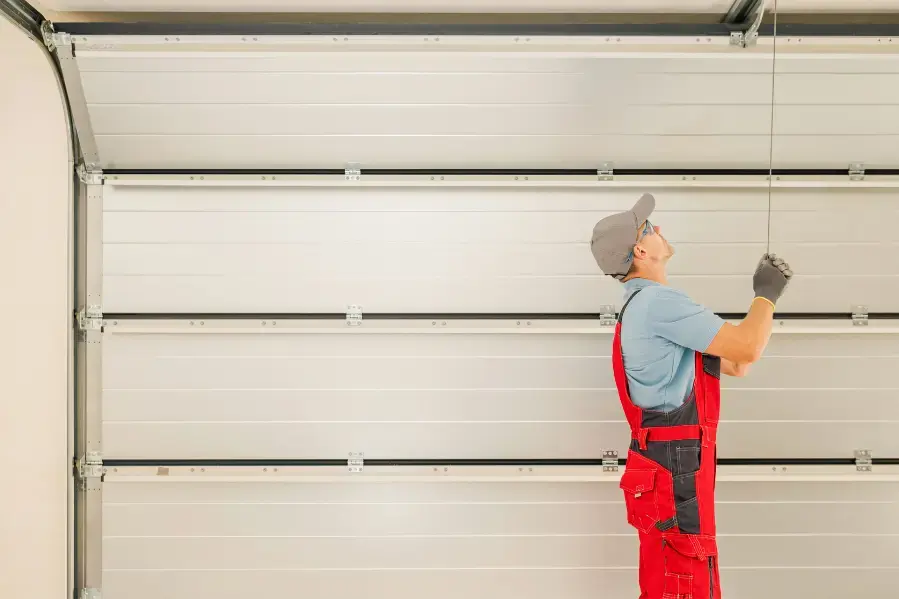

It’s a muggy summer afternoon in Nashville, and you’re about to head out for a barbecue. You press the garage door opener, and… nothing. Just a sad little grinding noise that sounds like your motor is gasping its last breath. Tennessee’s crazy weather can be rough on garage door systems, and most homeowners have no clue how to keep their motors in top shape.
Don’t panic. This guide will walk you through everything you need to know about keeping your garage door motor running like a well-oiled machine-no expensive repair calls required.
Why Tennessee Weather Beats Up Your Garage Door Motor?
Now let’s discuss the garage door motor’s silent killer: Tennessee’s unpredictable climate. Humidity is not just an uncomfortable thing for you; it is merciless on metal parts. Those moisture-laden summer days are a garage door motor’s worst nightmare.
The wind and the heat can also be just as deadly. Every time the door opens and shuts, the components are under threat.
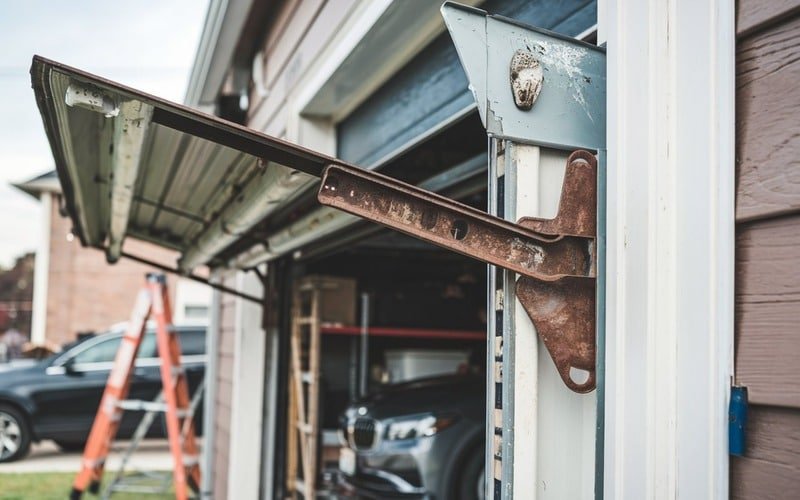
And what is corroding underneath that shiny exterior? Moisture, obviously. But every millisecond that the moisture and metal are in contact creates an oxidation chamber that is lunching on your garage door motor’s metal parts. Rust is coming for those parts, and it is coming hard.
Another Brutal Factor: Temperature Swings
Tennessee has extreme changes in the weather from the scorching to the sultry, summer to winter, and during both states of temperature, the door works, or in some cases, doesn’t work to the demands put upon it. The intense heat of summer makes Detroit look cool. It even makes Dickinson State University in North Dakota appear frigid.
And with winter not always being Michigan’s or North Dakota’s big cold, doors that don’t swing (that is, don’t work) in frigid temperatures are at high risk for metal fatigue. By how much do the temperature swings add to the stress that climate puts on our garages?
What Does This Mean for You?
Watch for unusual signs of wear and tear, like strange grinding noises. Door movement should be smooth—and if it isn’t, that’s a clue. Slow movement is another red flag. So, too, are intermittent operational issues. These are the first indicators that your motor isn’t making it against Tennessee’s unforgiving climate.
DIY Maintenance Tricks Any Homeowner Can Handle
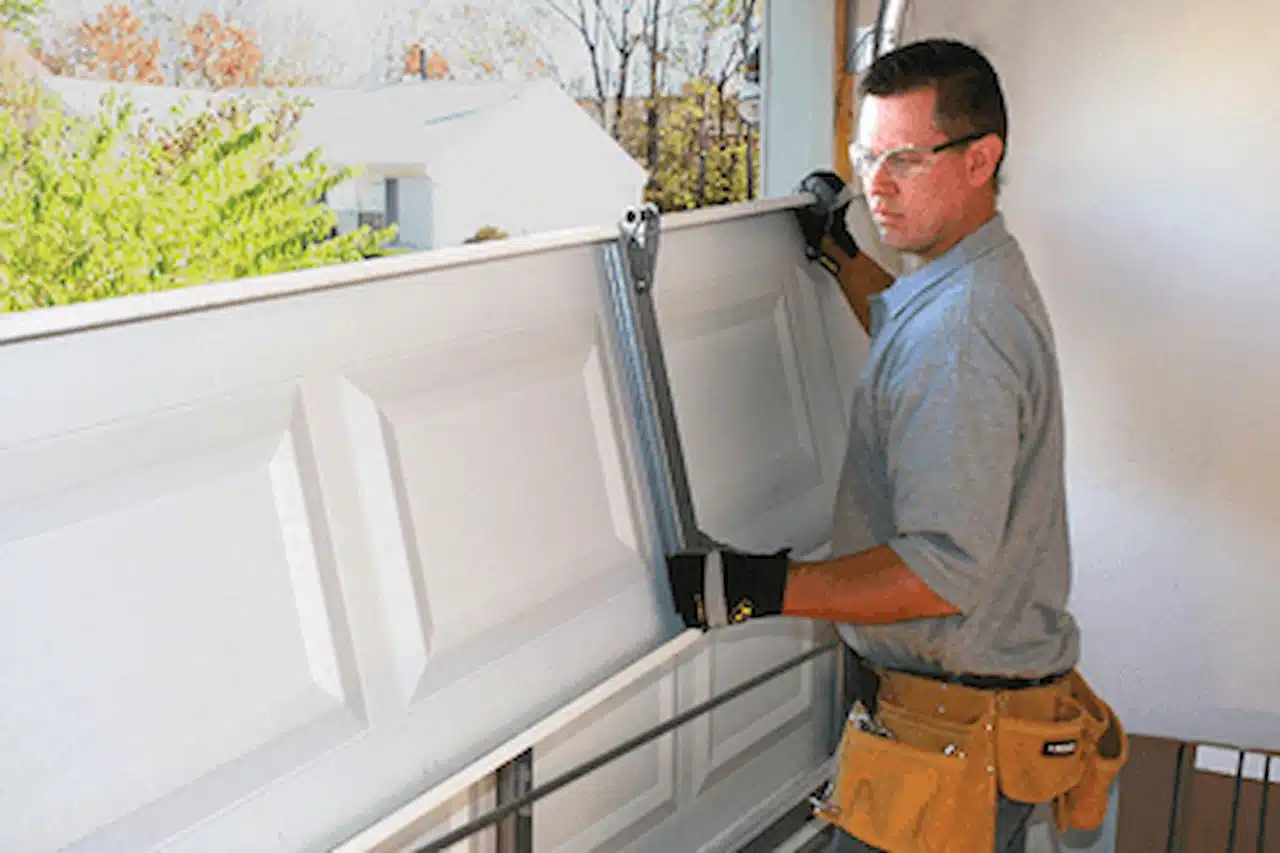
It doesn’t take an engineering degree to keep your garage door motor safe-just some clever and taken-for-granted maintenance. Your first line of defense is proper lubrication. Use a silicon-based lubricant that’s specifically designed for garage door mechanisms, and apply it sparingly to the moving parts that really need it, like hinges, rollers, and tracks. One fact that many people don’t know: overdoing it with the lube can in fact attract more dust and create additional friction.
Check alignment and tension regularly. Every few months, manually operate your garage door. Open and close it, if you can, to the point where it would rest when fully open. (In my case, that resting point is a few feet above my head.) Pay attention to how the door moves. If you sense any resistance, or if the door moves unevenly, you might have a realignment problem.
You May Like To Read: How Do I Choose Garage Door Springs For Tennessee Climate?
A level is your friend here. Use it to check that the tracks are straight and plumb (vertically straight) and that the door, when closed, is level with the floor.
Prevent big problems later with these quick cleaning tricks. Wipe metal parts down regularly to keep them free of moisture and dust. Use a soft cloth, and don’t use any harsh chemicals, especially ones that might harm protective coatings. These easy, quick steps are just a way to ensure your garage door motor doesn’t have to work harder than it should.
When to Call a Professional? (And When to Save Your Money)
Not every garage door problem calls for an expensive service visit. But some situations definitely require a pro. If your garage door is having an electrical moment-such as frequent power interruptions or a door that just won’t open or close-call in a specialist. This kind of problem isn’t safe to troubleshoot without experience.
Issues with the motor windings show up in a few ways that are very obvious to users. The first is that the windings make strange noises. Motors make some noise, but the sound should be fairly consistent and even. If the windings are good, any change in sound should relate to load changes on the motor.
If the sound coming from the motor is changing in a way that is not related to load or speed, that’s a sign that something is wrong with the motor.
Checks of safety mechanisms and sensors also require professional oversight. You can clean sensors, but any intricate calibration and electrical testing of our safety systems should be done by trained professionals who understand the complex systems that make up our safety and security mechanisms. You can find our expert team at our Google Maps location.
Smart Ways to Protect Your Garage Door Motor in Tennessee’s Climate
Preventing humidity in the summer begins with the creation of a controlled environment. Consider installing a small dehumidifier near the mechanism that controls your garage door, or using moisture-absorbing products to reduce the humidity of the air in your garage. Even with your door shut, proper ventilation can help prevent moisture from building up in the air.
Preparing for winter is just as important. Prior to the arrival of cold weather, have a trained technician carry out a complete system inspection. They can make sure that all the important parts are working properly and that the system is ready for the sharp drop in temperatures.
Making a safe place is about more than just keeping things technically correct. You can use a small space heater during extreme cold, or a fan during peak humidity, to maintain the otherwise garage-unfriendly microclimate inside your garage. These silly strategies go a long way toward reducing the stress (and the likelihood of premature failure) on your garage door motor.
Final Words
Your garage door motor doesn’t have to be a mystery. With a little knowledge and some basic maintenance, you can keep your system running smoothly year-round. Remember, a few minutes of care can save you hundreds in repair costs.
Final Tip: Keep a small maintenance log. Track when you lubricate, clean, and check your system. This simple habit can extend your garage door motor’s life by years. Got questions about your specific garage door setup? Most local Tennessee repair shops offer free consultations. Don’t be afraid to reach out if something feels off.