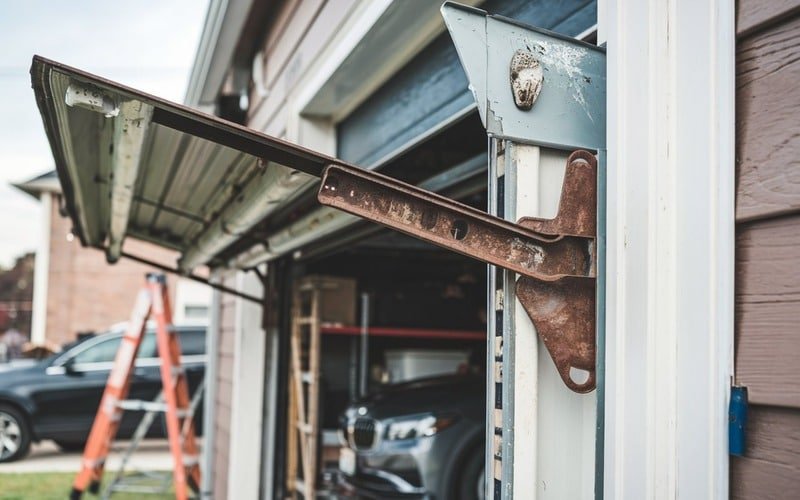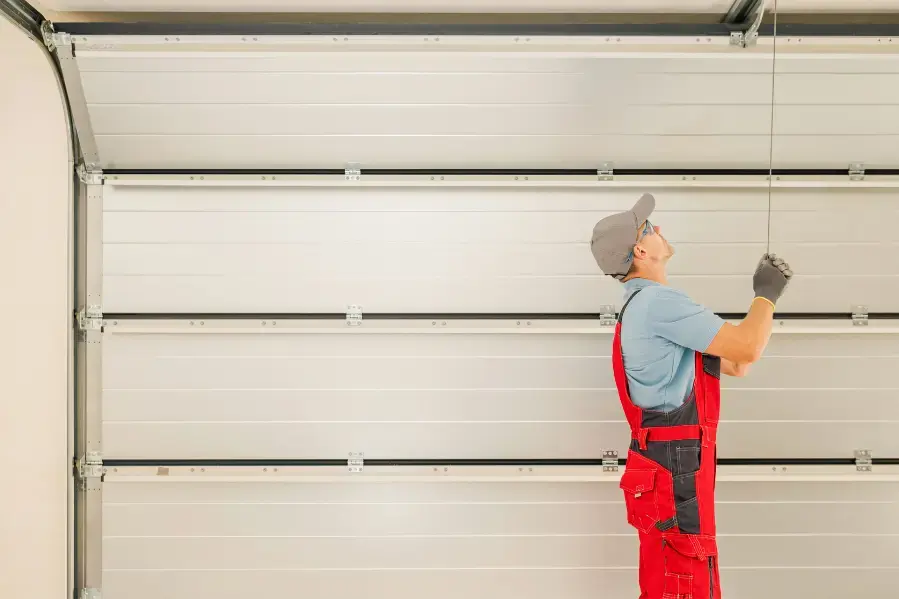

You know that moment when your garage door sounds like it’s auditioning for a horror movie soundtrack? Those squeaks, grinding noises, and jerky movements aren’t just annoying-they’re a sign something’s seriously wrong with your rollers.
If you’re a Tennessee homeowner, you’ve got some extra challenges to think about. Our wild weather swings from humid summers to chilly winters can wreak havoc on garage door hardware.
This guide is your roadmap to understanding exactly what rollers work best for Tennessee homes. We’ll break down everything from material choices to how our specific climate impacts your garage door’s performance.
Why Your Garage Door Rollers Actually Matter?
Let us discuss a subject that many homeowners fail to recognize: the rollers on their garage door. These minuscule parts are the quiet, behind-the-scenes champions of our home’s daily operations.
They carry out the not-so-simple task of enabling the smooth, quiet, and (in most cases) unnoticeable appearance and disappearance of the garage door.
When rollers are doing what they are supposed to be doing, we barely notice their existence. But when they start to do what they are not supposed to be doing? That is when the appearance and disappearance of the garage door become an appearance-and-disappearance act worthy of a third-rate magician.
Consider Your Garage Door a Daily Workhorse
Its job is to open and close not just once but multiple times every day. It bears a huge load. And it labors under nearly constant friction.
Good rollers mean a quieter home, smoother garage door operation, and less strain on your entire garage door system. Poor rollers can lead to increased wear on tracks, motors, and other critical components.
Tennessee’s Climate: How Weather Affects Your Garage Door Rollers
Tennessee residents face some distinct environmental challenges. The combination of humidity in the summer and winter temperature extremes can be especially hard on garage door rollers.
Steel rollers tend to rust in this moisture-laden atmosphere, while nylon garage door rollers are more likely to perform consistently in the humid heat and the chilly extremes. If you live in Tennessee and have a garage door, your best bets for reliable service in the rollers department are nylon or bearings.
Picture a standard summer day in Tennessee. The sweltering heat and oppressive humidity can drive even the most industrious inside. For those residents, imagine rolling into the garage after a long, hard day and finding that the metal construction of your overhead door might not be working in your favor.
Metal expands when temperatures rise. It also expands when humidity is high. And humidity has been known to rise even higher inside an unconditioned space like a garage when the outside temps are up.
You May Like: What’s Included In Garage Door Spring Service In Hendersonville?
Roller Material Showdown: Nylon vs Steel vs Plastic
Here is something that very few people realize: not every roller is created the same. Rollers made from nylon provide quiet operation and resist rust, a perfect combination for homeowners who want their garage doors to operate smoothly.
Steel rollers are extremely tough and durable, but they can be noisy and are prone to rusting. Plastic rollers are the economy option, but they wear out the fastest.
Practically speaking, it breaks down like this: While the upfront cost may be slightly higher, nylon rollers with ball bearings last 2 to 3 times longer than basic plastic rollers. For homes in Tennessee: This translates to fewer replacements that are also more consistent in performing at or near an optimal level.
Budget vs. Quality: What Tennessee Homeowners Need to Know
Thus, what’s the impact on your wallet? Over the long term, roller investments can pay off. Here’s why. When it comes to quality, you’re either in or you’re out. Roller quality is nonnegotiable.
Quality rollers last and work well, so you don’t end up in the position of either needing a replacement roller that doesn’t exist or having to deal with a damaged door because a cheap roller couldn’t cut it.
Nylon mid-range rollers with ball bearings generally sell for $10-$15 a roller. That sounds pricier than plain plastic, but the operation of the rollers saves you time and, probably, money. Reduced maintenance through smoother operation of the nylon rollers means that, over the course of 3-5 years, the by-then lived life of the rollers likely adds up to savings.
DIY or Professional Installation: Making the Right Choice
Replacing garage door rollers isn’t for everyone. If you’re not so handy and comfortable with basic tools, you might be better off hiring a pro to do it. Check out our Google Maps location to find our professional installation services.
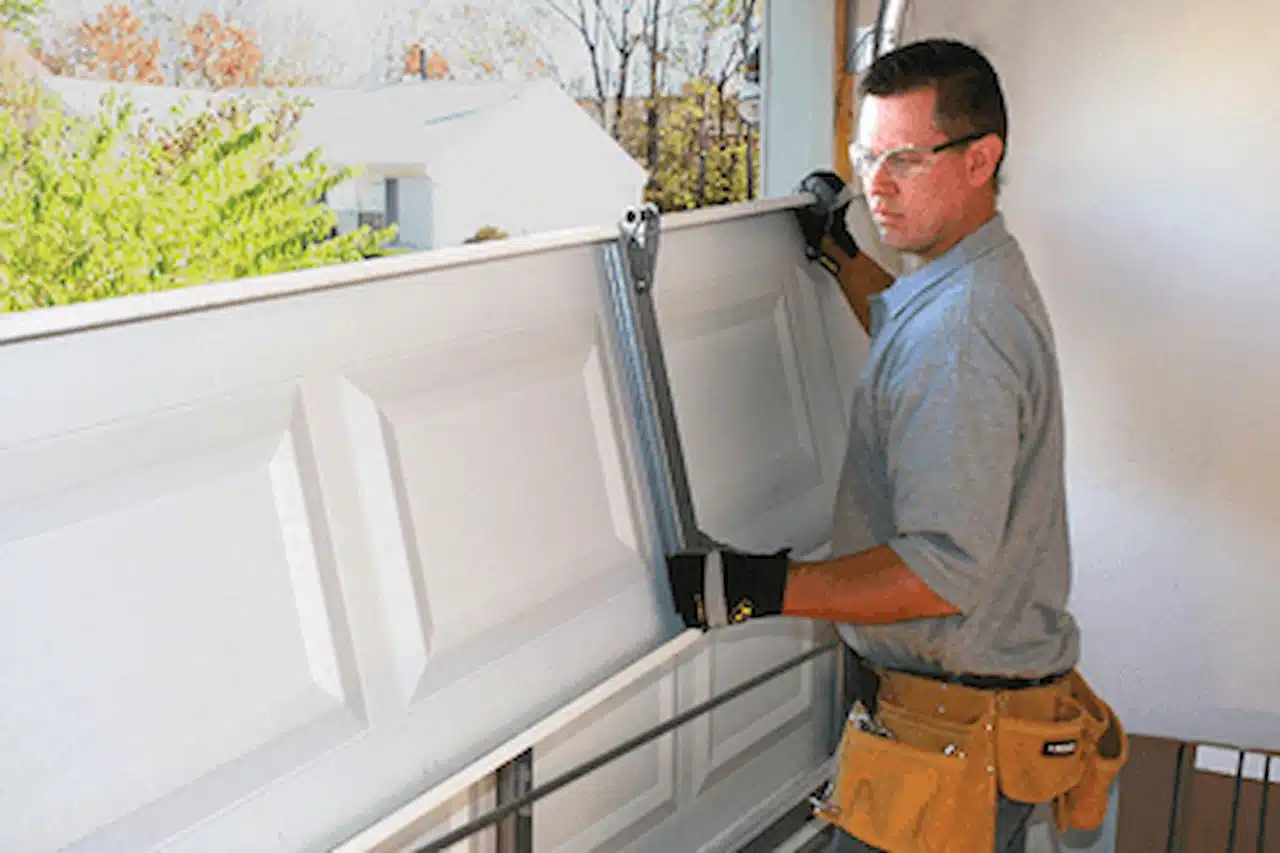
For the majority of homeowners in Tennessee, it is more logical to have a professional do the installation. A professional can usually replace all the rollers in less than an hour, allowing for the kind of guaranteeing proper alignment and working of the entire system that just isn’t possible with amateur installation.
Maintenance Tips to Make Your Rollers Last Longer
Here is some advice that is good to have: every six months, give your rollers a good lube job. Use a silicone-based lubricant because it works best in the variable climate of Tennessee. But be smart about it. Wipe off the rollers to remove dust and debris, and look them over closely to make sure they are not worn or damaged.
Always keep in mind that maintenance is much less expensive than replacement. Just a few minutes of attention every couple of months can greatly prolong the life of your garage door and ensure that it opens and closes without any hitches.
Conclusion
Wrap up by reinforcing that choosing the right garage door rollers isn’t just about mechanics—it’s about creating a smoother, quieter, more reliable home experience. Remind readers that a small investment now can save major headaches (and expenses) later.
Encourage readers to assess their current rollers and consider an upgrade. Suggest they take a weekend to inspect and potentially replace rollers, framing it as a manageable home improvement project.